Chimney leaks are a serious warning sign that your chimney may need replacement. Water intrusion can result from cracked masonry, missing chimney caps, or deteriorated flashing. Over time, moisture can damage the chimney structure, interior walls, ceilings, and even your fireplace itself. Signs include damp odors, water stains, or visible dripping. Leaks compromise the integrity of your chimney and reduce its efficiency and safety.
If left untreated, the damage can become extensive, leading to costly repairs or full replacement. Regular inspections and timely action can prevent this, but persistent leaks often signal it's time for a full chimney rebuild.
Flashing is the metal seal installed where your chimney meets the roof, and it plays a critical role in preventing water from entering your home. When flashing becomes loose, rusted, or improperly installed, water can seep into your roofing and chimney structure. You might notice ceiling stains or mold growth near the fireplace, which often originates from compromised flashing.
Repairing the flashing can sometimes resolve the issue, but if the damage is widespread or the flashing failure has led to structural decay, replacing the entire chimney may be necessary. Always address flashing issues quickly to avoid further deterioration.
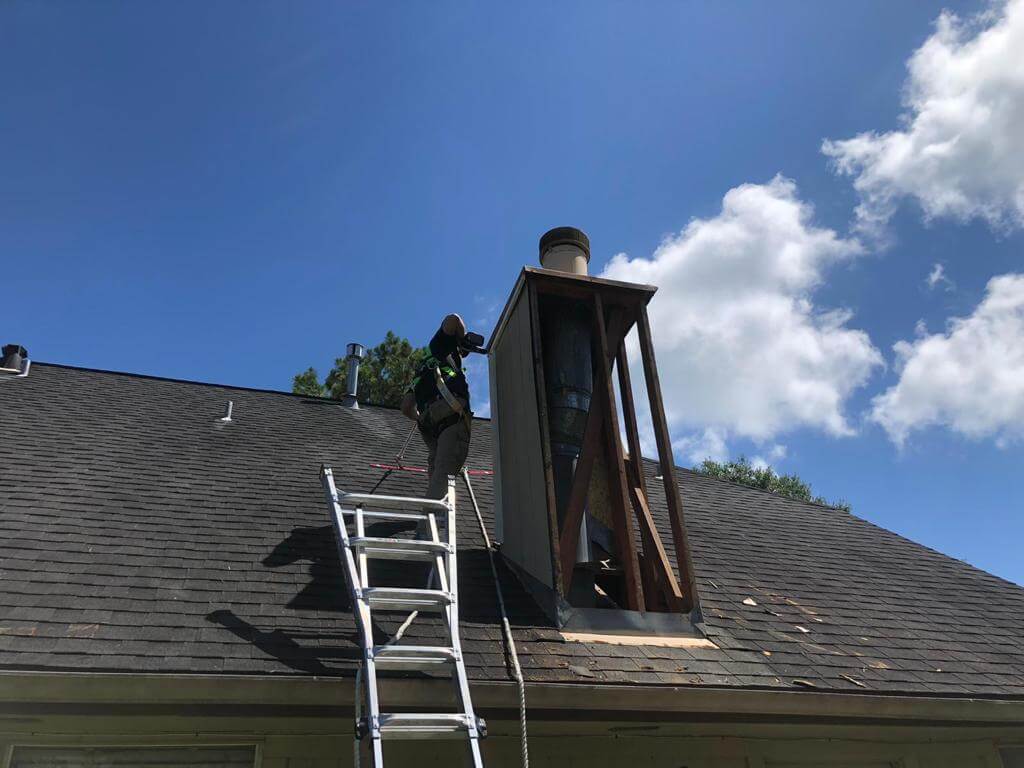
The chimney caps & chase cover protects the chimney flue from debris, rain, snow, and animals. If your cap is missing, damaged, or corroded, it can no longer prevent these elements from entering your chimney.
Moisture and blockages caused by leaves or nests can result in structural damage, dangerous creosote buildup, and airflow issues. A faulty or missing chimney cap can lead to water damage inside the chimney, shortening its lifespan. While replacing the cap may be sufficient in some cases, ongoing problems often indicate internal damage that could require chimney replacement. A proper inspection will determine the extent of the issue.
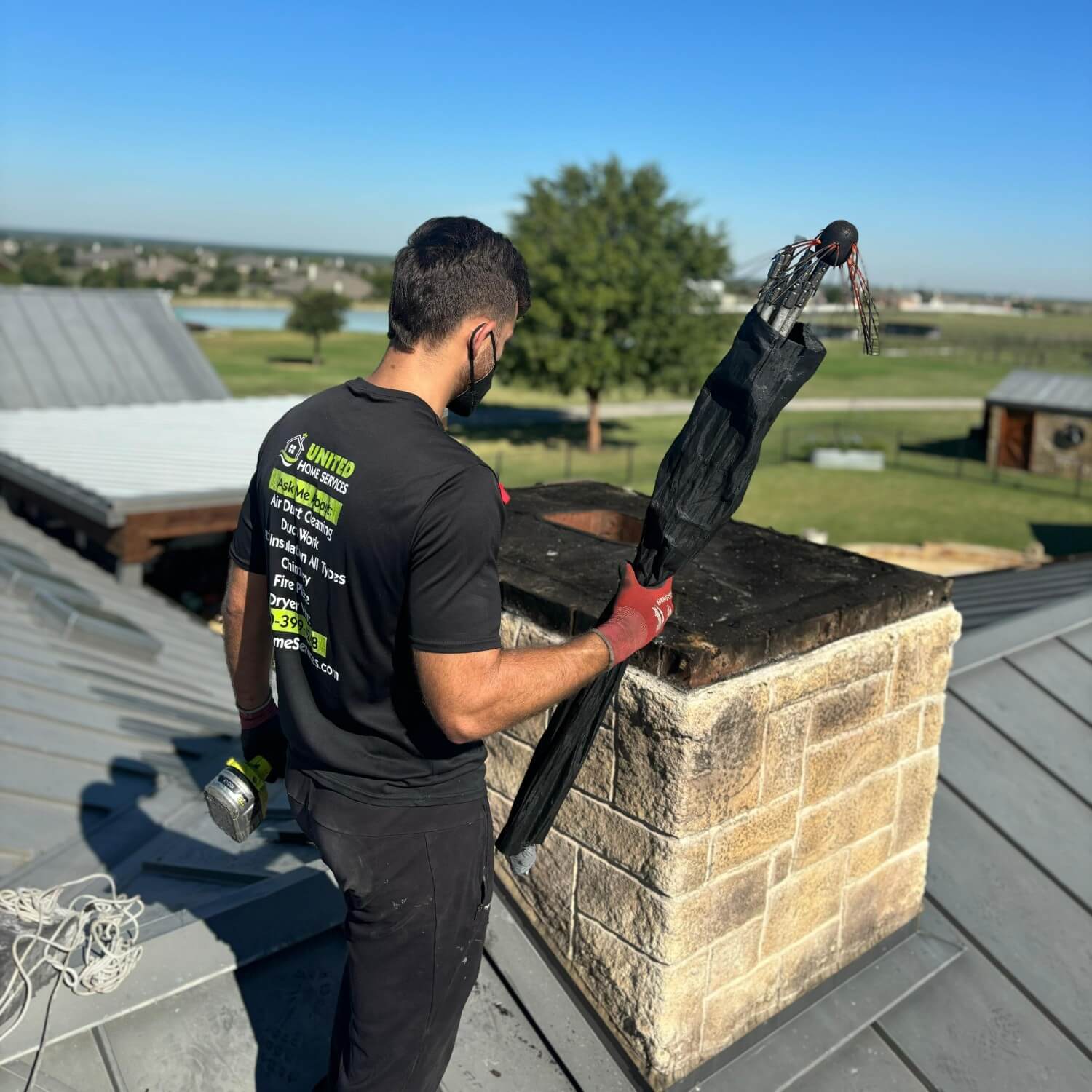
Creosote is a flammable, tar-like substance that forms when wood burns and smoke condenses inside the chimney. Over time, creosote can build up and harden, reducing airflow and creating a serious fire hazard. If regular cleaning doesn't keep it under control, or if creosote buildup becomes excessive and deeply embedded, it can permanently damage the chimney lining.
Advanced creosote buildup can also corrode the flue and create dangerous blockages. When chimney cleaning is no longer effective or safe, it may be time for a full chimney liner replacement—or in severe cases, a complete chimney rebuild for safety and performance.