


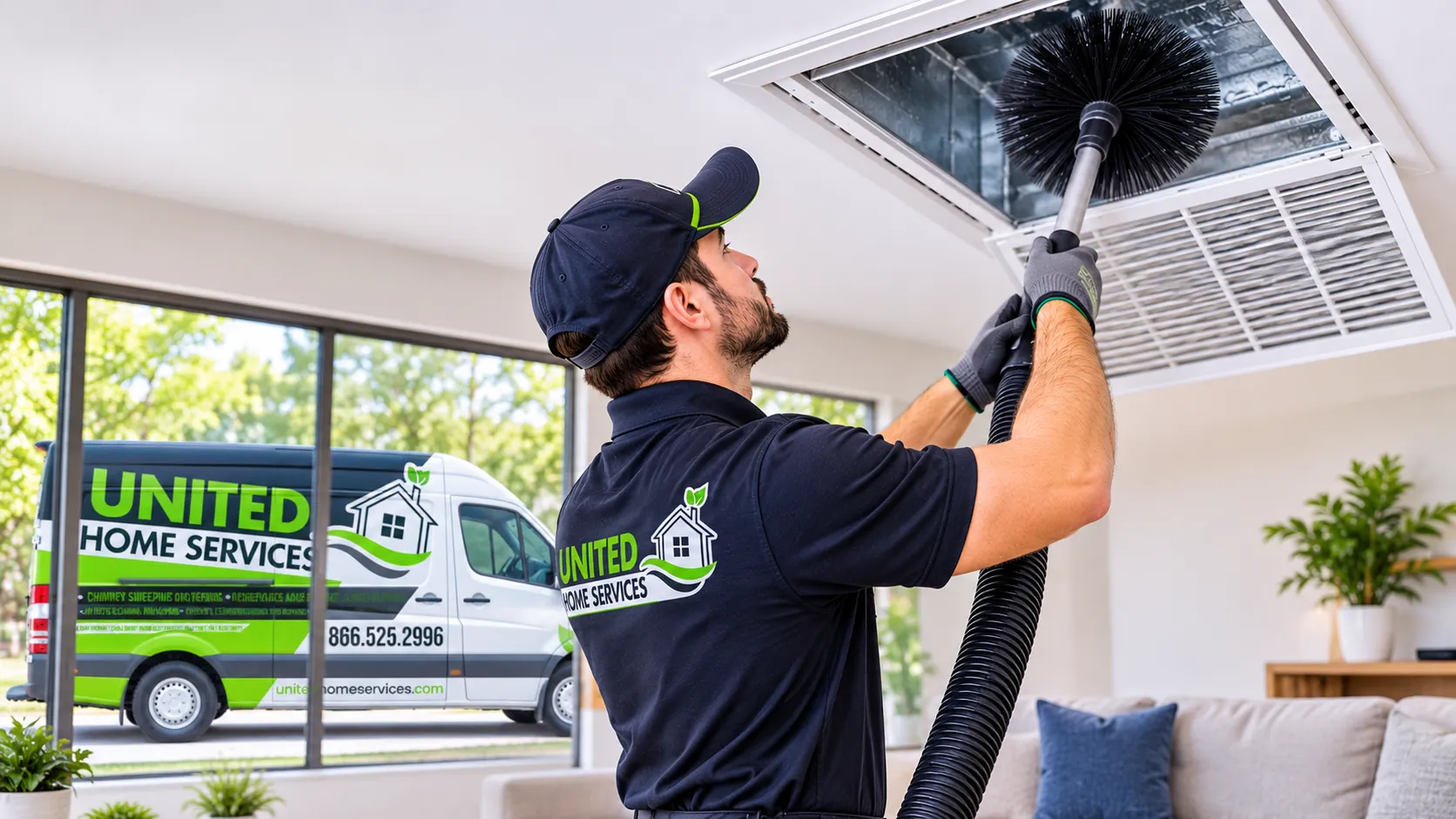

Your home’s heating and cooling system does more than maintain a comfortable temperature. It also moves air throughout your living spaces through a network of ducts, vents, and other components. Over time, dust, debris, moisture, and everyday household particles can affect how well this system operates.
The problem is that most ductwork stays hidden behind walls, ceilings, and floors. As a result, homeowners may not notice developing issues until they start experiencing uneven airflow, unusual odors, or excessive dust around the house.
Professional air duct services can help identify these problems and determine whether cleaning, inspection, or repairs are needed. Knowing what to look for can help you take action before minor ductwork concerns become more complicated.
1. Dust Keeps Returning Shortly After Cleaning
Do you clean your furniture, floors, and other surfaces only to notice another layer of dust a short time later? While household dust comes from many sources, your HVAC system may contribute to the problem if its filters, ducts, or other components are excessively dirty.
Air enters your heating and cooling system through return vents before passing through filters and moving through the ductwork. If filters are damaged, incorrectly installed, or overdue for replacement, some particles may pass through the system.
Visible dust buildup around supply registers can also indicate that the system needs attention.
However, dust alone does not automatically mean your ducts require cleaning. A professional inspection can help determine whether the issue comes from the ductwork, air filter, or another indoor source.
2. Some Rooms Feel Different From Others
If one room feels comfortable while another remains too warm or too cold, your ductwork could be contributing to the problem.
Your HVAC system is designed to distribute conditioned air throughout your home. When that airflow becomes restricted or unbalanced, certain rooms may receive less heating or cooling than others.
Possible causes include:
- Blocked or partially closed air vents.
- Leaking or disconnected duct sections.
- Damaged or poorly designed ductwork.
- Excessive dust or debris restricting airflow.
- Problems with the HVAC blower or other equipment.
Professional air duct inspection can help identify whether the problem is related to your ducts or another part of the heating and cooling system.
3. You Notice Musty or Unusual Odors
An unpleasant smell coming from your air vents should not be ignored, especially when it becomes noticeable whenever the HVAC system starts running.
Musty odors may indicate moisture problems in or around the ductwork. Moisture can develop because of condensation, drainage issues, water leaks, or high humidity.
When damp conditions combine with accumulated dirt, they can create an environment where microbial growth may occur.
It is important to identify the source rather than simply covering the smell with air fresheners. A qualified technician can inspect the affected areas, look for moisture-related damage, and recommend appropriate corrective action.
If visible mold growth is suspected, the material and extent of contamination should be evaluated before deciding on cleaning or replacement.
4. Your Air Vents Have Visible Dust or Debris
Take a closer look at the supply and return vents throughout your home. Do you notice thick dust deposits, unusual debris, or particles collecting around the openings?
Some dust around registers is normal, but significant or recurring buildup deserves attention.
The condition of your vents can provide useful information about your HVAC system. However, clean-looking vents do not necessarily mean the entire duct system is clean, and dusty vent covers do not always prove that the ducts need professional cleaning.
A proper assessment should consider the condition of the duct interiors and other accessible HVAC components.
Professional air duct cleaning may be appropriate when an inspection confirms substantial dust accumulation or other contamination that needs to be removed.
5. Your Home Has Recently Undergone Renovation
Home renovation projects can introduce considerable amounts of dust and construction debris into indoor spaces.
Whether you have remodeled a kitchen, replaced flooring, renovated a bathroom, or completed a larger construction project, fine particles can settle on surfaces and enter HVAC return vents if the system is operating during the work.
Some debris may also reach accessible parts of the duct system.
After renovation, it is worth checking your HVAC filters and having the ductwork inspected if there is evidence that construction debris entered the system.
A professional can determine whether cleaning is necessary and whether any duct sections have been damaged during construction.
6. Your HVAC System Seems to Be Working Harder
Have you noticed that your heating or cooling system runs longer than usual to maintain the temperature you prefer?
Several issues can affect HVAC performance, including dirty filters, equipment problems, thermostat settings, duct leaks, and restricted airflow.
Leaking or poorly connected ducts can allow conditioned air to escape into attics, crawl spaces, or other unconditioned areas instead of reaching the rooms where it is needed.
In these situations, air duct repair may help restore proper airflow and reduce unnecessary energy loss.
It is worth remembering that cleaning ductwork does not automatically guarantee lower energy bills. The actual benefit depends on what is causing the problem and which components require attention.
A complete assessment can help identify the most appropriate solution.
7. You Notice Signs of Pests Inside or Around the Ductwork
Rodents and insects can sometimes enter duct systems through openings, damaged sections, or poorly sealed connections.
Signs may include unusual scratching sounds, droppings near vents, damaged insulation, or unpleasant odors coming from particular areas.
Pest activity inside ductwork should be addressed carefully. Simply cleaning the ducts may not resolve the underlying issue if entry points remain open.
The source of the infestation should be addressed first, followed by an assessment of any affected duct sections and insulation.
A professional inspection can help determine whether cleaning, sealing, or repairing the ductwork is necessary.
What Do Professional Air Duct Services Include?
Not every HVAC problem requires the same solution. That is why professional air duct services can involve several different types of work depending on the condition of your system.
Air Duct Inspection
An inspection helps evaluate the visible and accessible parts of your duct system. Technicians look for dust accumulation, leaks, damaged connections, moisture concerns, and other conditions that may affect performance.
The findings help determine whether cleaning or repairs are actually necessary.
Air Duct Cleaning
When substantial contamination is confirmed, professional cleaning can help remove accumulated dust and debris from the appropriate HVAC components.
A thorough cleaning should address the relevant parts of the system rather than focusing only on the visible vent covers. Depending on the system, this may include supply and return ducts, registers, grilles, and other components.
Air Duct Installation and Repair
Damaged, disconnected, or leaking ductwork can interfere with proper airflow. Repair services address these issues, while installation services help provide properly designed and connected duct systems when new or replacement ductwork is needed.
Choosing the right service depends on the condition of your existing HVAC system.
How to Keep Your Air Duct System in Better Condition
You do not need to wait for a major problem before paying attention to your ductwork. A few simple maintenance habits can help keep your HVAC system in good working condition.
- Replace air filters regularly: Follow the manufacturer’s recommendations and check filters more frequently when household conditions require it.
- Keep vents unobstructed: Avoid placing furniture, curtains, or other objects directly in front of supply and return vents.
- Address moisture problems: Repair water leaks and investigate condensation or persistent dampness around HVAC components.
- Schedule HVAC maintenance: Have your heating and cooling equipment inspected according to manufacturer recommendations.
- Pay attention to airflow: Notice changes in room temperatures, unusual noises, or recurring odors.
- Check after renovation: Inspect filters and consider a duct assessment if construction dust may have entered the HVAC system.
It is also important to understand that air duct cleaning is not automatically necessary every year. The U.S. Environmental Protection Agency recommends considering cleaning when there is substantial visible mold growth, an infestation, or significant dust and debris accumulation.
Why Choose United Home Services for Air Duct Services?
When something affects your home’s airflow or comfort, you want a service provider who can help identify the problem and explain the available solutions.
United Home Services provides a range of air duct solutions, including inspection, cleaning, installation, and repair. With more than 20 years of experience in home services, the company works to help homeowners maintain comfortable and properly functioning indoor environments.
Customers can explore different service options based on their system’s condition and specific requirements.
Whether you need an inspection to understand an airflow problem or professional cleaning to address confirmed buildup, choosing the right service is an important step toward maintaining your HVAC system.
Contact United Home Services at (866) 303-3160 to discuss your air duct concerns and request a service estimate.
Frequently Asked Questions
How do I know if my air ducts need cleaning?
Visible dust or debris inside the ducts, substantial mold growth, pest infestations, or contamination following renovation may indicate that professional cleaning is appropriate. An inspection can help confirm the need.
How often should air ducts be inspected?
There is no single inspection schedule that applies to every home. Factors such as system age, moisture exposure, renovation work, and previous maintenance can influence when an inspection is useful.
Can damaged air ducts affect HVAC performance?
Yes. Leaks, disconnected sections, and restricted airflow can prevent conditioned air from reaching certain rooms properly and may increase energy waste.
Are air duct cleaning and air duct repair the same service?
No. Cleaning focuses on removing accumulated dust and debris, while repair addresses physical problems such as leaks, damaged sections, and disconnected ductwork.
Does air duct cleaning improve indoor air quality?
Cleaning can remove accumulated contaminants from a dirty HVAC system. However, the overall effect on indoor air quality depends on the source of the pollutants and other conditions inside the home.
Should I clean my air ducts every year?
Not necessarily. Routine annual duct cleaning is not recommended by the EPA. Cleaning should be considered when there is a specific, identifiable reason to do so.