



A well-maintained chimney plays an important role in keeping your fireplace operating safely and efficiently. Over time, soot, creosote, moisture, and other debris can accumulate inside the chimney, potentially affecting airflow and increasing fire risks. Professional chimney services plano help homeowners identify these problems and maintain their chimney systems throughout the year.
Whether you use a traditional wood-burning fireplace or a gas fireplace, regular maintenance can help identify developing issues before they become more serious. For homeowners in Plano, understanding when to schedule chimney cleaning, inspections, or repairs is an important part of responsible home maintenance.
United Home Services provides chimney-related services designed to help homeowners maintain cleaner and properly functioning chimney and fireplace systems.
What Chimney Services Do Plano Homeowners Actually Need?
Not every chimney problem requires the same solution. Some systems need routine cleaning, while others may require a detailed inspection or repairs to address physical damage.
Understanding the available services makes it easier to identify what your fireplace needs.
Chimney Sweeping and Cleaning
Chimney sweeping removes soot, creosote, and other accumulated deposits from the chimney interior.
Creosote is a combustible substance produced during wood combustion. When it builds up inside a chimney, it can increase the risk of a chimney fire.
Professional chimney sweeping typically involves:
- Examining accessible chimney components.
- Removing accumulated soot and creosote.
- Checking for visible obstructions.
- Looking for signs of animal activity.
- Assessing the condition of relevant chimney components.
The cleaning requirements depend on the fireplace type, frequency of use, and the amount of buildup present.
Chimney Inspection
An inspection helps identify problems that may not be visible during an ordinary fireplace cleaning.
A professional inspection may involve checking the flue, chimney liner, masonry, cap, crown, and other accessible components.
Important inspection areas include:
- Interior flue condition
- Chimney cap and crown
- Masonry joints and visible cracks
- Draft and ventilation
- Signs of moisture intrusion
- Obstructions or animal nests
Regular inspections help homeowners understand the condition of their chimney and determine whether cleaning, maintenance, or repairs are necessary.
Chimney Repair
Chimneys are exposed to outdoor conditions throughout the year. Moisture, temperature changes, and natural material deterioration can gradually affect their structural condition.
Common chimney repair requirements include:
- Repairing damaged mortar joints.
- Addressing cracks in masonry.
- Fixing chimney leaks.
- Repairing damaged chimney crowns.
- Replacing deteriorated chimney caps.
- Addressing problems with chimney liners.
The appropriate repair depends on the source and extent of the damage. An inspection should establish the underlying issue before repair work begins.
6 Warning Signs Your Chimney Needs Professional Attention
Chimney problems are not always immediately obvious. Some develop gradually, while others become noticeable when you start using your fireplace.
Here are six warning signs worth taking seriously.
1. Strong Smoke Odors Inside Your Home
A persistent smoky smell, particularly when the fireplace is not being used, may indicate creosote buildup, poor ventilation, or another chimney issue.
The smell should not be ignored, especially if it becomes stronger over time.
2. Smoke Entering the Living Area
A properly functioning chimney should direct combustion gases outdoors.
If smoke repeatedly enters your living space, there may be a draft problem, obstruction, or ventilation issue.
Stop using the fireplace until the cause has been identified.
3. Visible Cracks Around the Chimney
Cracks in exterior masonry or mortar joints may allow moisture to enter the chimney structure.
Small areas of deterioration can develop into more extensive damage if left unaddressed.
4. Water Stains Near the Fireplace
Water stains on ceilings, walls, or around the fireplace may indicate chimney-related moisture intrusion.
Potential causes include damaged flashing, a deteriorated crown, or an improperly functioning chimney cap.
A professional assessment can help locate the source of the water.
5. Debris Falling Into the Fireplace
Pieces of masonry, mortar, or other debris inside the firebox may indicate deterioration within the chimney.
Animal nesting materials can also create obstructions that interfere with proper ventilation.
6. Excessive Soot or Creosote Buildup
Heavy deposits inside the firebox or visible accumulation around accessible areas may indicate that cleaning is needed.
However, the condition of the entire chimney cannot be determined from the firebox alone.
A proper inspection provides a clearer understanding of what is happening inside the system.
Why Regular Chimney Maintenance Matters in Plano
Homeowners in Plano use fireplaces for comfort, heating, and creating a welcoming indoor environment. However, chimney maintenance is often overlooked when the fireplace is not being used regularly.
Waiting until the first cold evening to check your chimney can leave little time to address problems discovered during inspection.
Changing Weather Can Affect Chimney Materials
Outdoor exposure can gradually affect chimney masonry, mortar, flashing, and other components.
Moisture entering small openings can contribute to deterioration over time.
Checking the exterior condition of the chimney can help identify developing maintenance requirements.
Insects and Animals Can Create Obstructions
Chimneys can provide access points for birds and other small animals.
Nesting materials, leaves, and debris may restrict airflow or create blockages.
A chimney inspection can help identify these obstructions before the fireplace is used.
Seasonal Use Can Hide Developing Problems
A fireplace that remains unused for several months may still experience deterioration or debris accumulation.
Scheduling an inspection before the heating season helps homeowners understand whether the system is ready for use.
What Happens During a Professional Chimney Service Appointment?
Knowing what happens during a chimney appointment can make the process easier to understand.
Although the exact procedure depends on the service required, a typical visit may involve several stages.
Step 1: Initial Chimney Assessment
The technician begins by understanding the fireplace system and the concerns reported by the homeowner.
This may include questions about smoke problems, unusual odors, water leaks, or the last cleaning.
Step 2: Inspection of Accessible Components
The chimney and fireplace components are examined for visible damage, buildup, and potential obstructions.
Depending on the system, this may include the firebox, flue, chimney cap, crown, and ventilation.
Step 3: Identify the Required Work
After the assessment, the technician can explain whether the chimney needs cleaning, repairs, or additional attention.
This helps homeowners understand the condition of their system before deciding how to proceed.
Step 4: Cleaning or Repair Work
The required service is performed according to the condition of the chimney.
Cleaning focuses on removing deposits and debris, while repair work addresses damaged or deteriorated components.
Step 5: Final Review
The completed work should be reviewed to confirm that the identified service requirements have been addressed.
Homeowners should also receive information about any additional concerns that may require attention.
Chimney Cleaning vs. Chimney Repair: Understanding the Difference
Cleaning and repairs serve different purposes. Choosing the appropriate service depends on the problem rather than simply how long it has been since the last appointment.
| Chimney Cleaning | Chimney Repair |
| Removes soot and creosote | Addresses physical damage |
| Removes certain obstructions | Repairs damaged components |
| Helps maintain airflow | Addresses structural or functional problems |
| Focuses on accumulated deposits | Focuses on deterioration and defects |
| Supports routine maintenance | Restores affected chimney components |
A chimney can require both cleaning and repairs. For example, an inspection may reveal heavy creosote buildup along with damaged masonry.
Having the system assessed helps determine the appropriate combination of services.
How Much Do Chimney Services Cost in Plano?
The cost of chimney maintenance depends on the type of service and the condition of the existing system.
A routine chimney sweep generally involves different work from repairing masonry damage or addressing a chimney leak.
Several factors can influence the final cost:
- Chimney type: Different fireplace and venting systems have different maintenance requirements.
- Chimney height: Accessibility can influence the work involved.
- Level of buildup: Heavy creosote deposits may require additional cleaning.
- Damage severity: Minor repairs differ from extensive structural restoration.
- Required materials: Replacement caps, liners, flashing, or masonry materials can affect the overall cost.
- Additional services: Multiple maintenance requirements may influence the final estimate.
Homeowners should request a clear explanation of the recommended work and its associated costs before approving a repair.
Why Choose United Home Services for Chimney Services in Plano?
Finding a suitable chimney service provider involves considering the range of services, inspection approach, and ability to address different maintenance requirements.
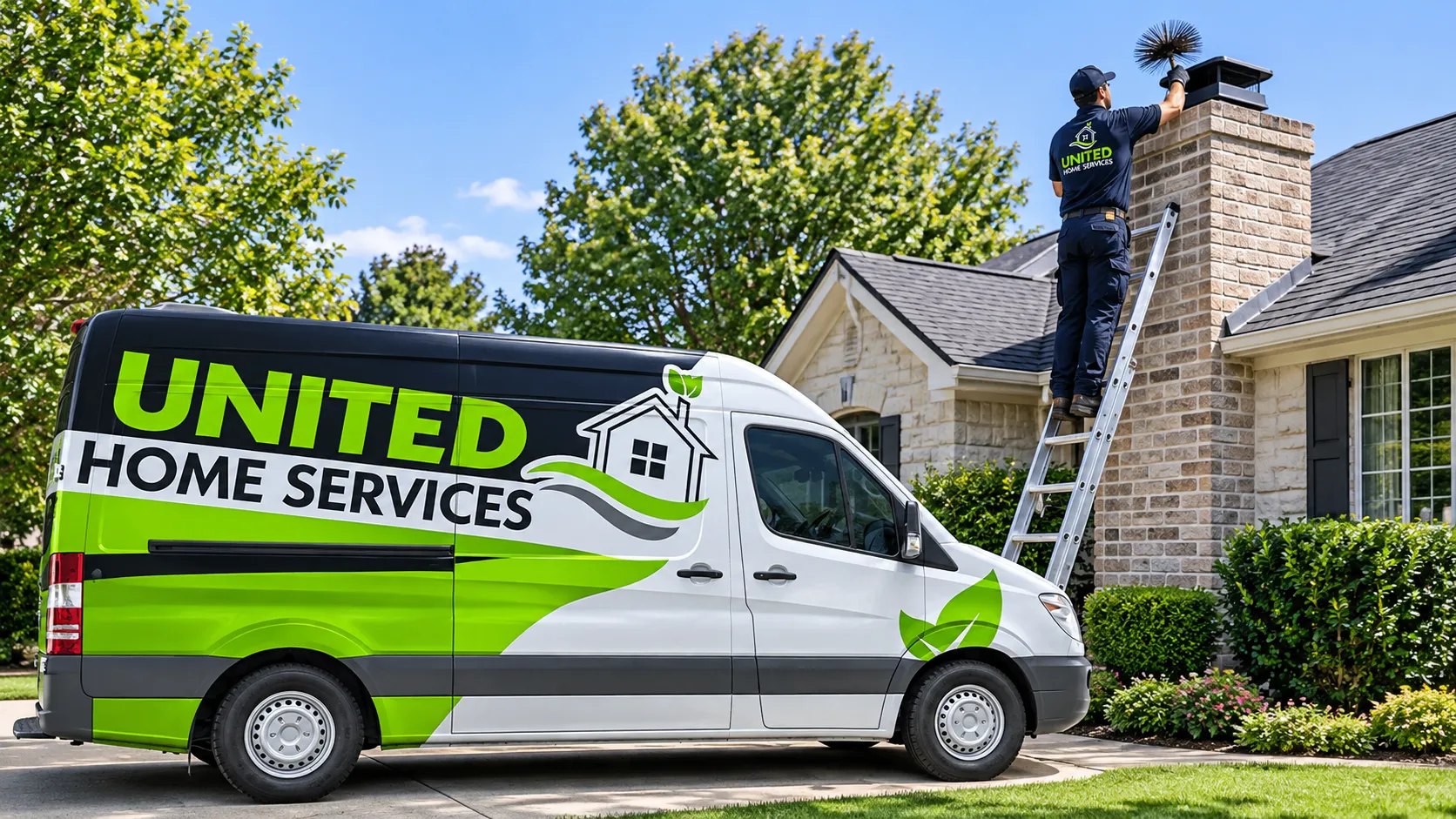
United Home Services offers chimney sweeping, inspection, and repair services for homeowners looking to maintain their fireplace and chimney systems.
Its chimney service offerings include:
Chimney Sweeping
Professional sweeping helps remove accumulated soot, creosote, and debris that can interfere with chimney operation.
Chimney Inspections
Inspection services help identify visible damage, buildup, and potential issues affecting chimney performance.
Chimney Cap and Crown Checks
The chimney cap and crown are important components that help protect the chimney from outdoor exposure and unwanted debris.
Checking their condition can help identify potential maintenance needs.
Draft and Ventilation Assessment
Proper ventilation is essential for directing smoke and combustion gases outdoors.
A draft assessment can help identify potential airflow concerns.
Chimney Repair Solutions
United Home Services also provides chimney repair services for issues such as cracks, leaks, and physical damage.
The company lists Plano among its service locations and provides chimney-related service information through its website.
Homeowners can review its available services and contact information to discuss their particular chimney requirements.
How to Keep Your Chimney in Better Condition Between Appointments
Professional maintenance is important, but homeowners can also take simple steps to monitor their chimney and fireplace.
Keep the firebox clear: Remove cold ashes when appropriate and keep combustible materials away from the fireplace.
Check for visible exterior damage: Look for missing chimney cap components, damaged masonry, and signs of water intrusion.
Pay attention to unusual odors: Persistent smoky or musty smells may indicate a ventilation or moisture problem.
Avoid burning unsuitable materials: Use only appropriate fuel for your fireplace system and follow the manufacturer’s instructions.
Arrange regular inspections: Follow professional recommendations and applicable safety guidance rather than waiting for visible problems.
Do not attempt dangerous repairs: Avoid climbing onto the roof or trying to remove deep chimney obstructions without proper equipment and training.
Is It Time to Schedule Chimney Services in Plano?
A chimney is an important part of your home’s fireplace system, and its condition should not be overlooked.
From removing creosote buildup to identifying damaged masonry and ventilation problems, professional maintenance helps homeowners understand what their chimney needs.
United Home Services provides chimney sweeping, inspections, and repair options for homeowners in Plano, Texas.
Has your chimney been inspected recently, or have you noticed smoke, unusual odors, or signs of water damage? Contact United Home Services to discuss your concerns and explore the appropriate chimney service for your home.
Frequently Asked Questions
1. How often should I schedule chimney services in Plano?
The National Fire Protection Association recommends that chimneys, fireplaces, and vents be inspected at least once a year. Cleaning and maintenance should be performed whenever necessary based on the inspection findings and usage.
2. What is included in professional chimney sweeping?
Chimney sweeping generally involves removing soot, creosote, and accumulated debris from the chimney. The service may also include checking for obstructions and inspecting accessible components.
3. Can a damaged chimney cause water leaks inside my home?
Yes. Damaged chimney crowns, flashing, masonry, and caps can allow water to enter the chimney structure. A professional inspection can help identify the source of moisture intrusion.
4. Is chimney cleaning necessary if I rarely use my fireplace?
Yes, an annual inspection is still recommended even if the fireplace is used infrequently. Animals, debris, moisture, and structural deterioration can affect an unused chimney.
5. Does United Home Services provide chimney services in Plano, TX?
Yes. United Home Services lists Plano, Texas, among its service locations and offers chimney-related services, including sweeping, inspections, and repairs. Homeowners can contact the company to confirm service availability and discuss their specific requirements.