


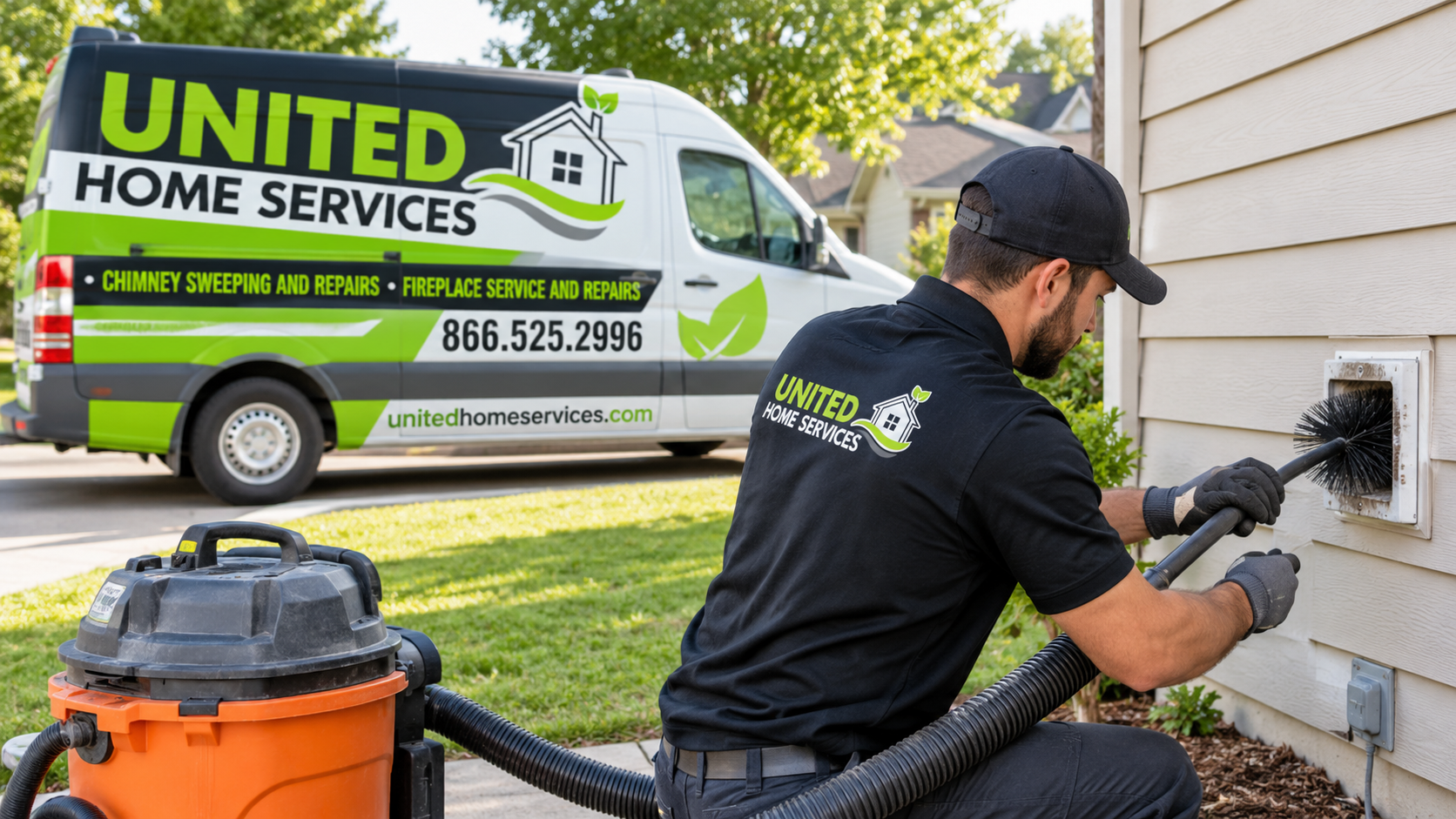

Laundry should be a simple part of your weekly routine. Yet a dryer that takes too long, feels unusually hot, or leaves clothes damp can create frustration. These signs may point to a blocked vent rather than a faulty appliance. United Home Services understands how proper ventilation helps homeowners maintain a safer and more efficient laundry area.
Every time you dry a load, the machine sends warm, moist air through an exhaust duct. Lint, dust, and other debris can collect inside this passage. Over time, the buildup restricts airflow and makes the dryer work harder.
When was the last time you checked your dryer exhaust? Many homeowners clean the lint screen but overlook the duct behind the appliance. Regular Dryer Vent Cleaning helps remove hidden buildup, improve airflow, and reduce avoidable fire risks.
This guide explains common warning signs, vent types, professional cleaning steps, expected costs, and practical ways to maintain your system.
4. Common dryer vent problems and what causes them
A dryer often gives warning signs before a serious blockage develops. Paying attention to these changes can help you arrange maintenance at the right time.
Longer drying times
Clothes that once dried in one cycle may need two or more cycles. This often happens when lint restricts the exhaust duct and slows the movement of warm air.
The dryer must work harder to remove moisture. This can increase energy use and put extra strain on internal components.
Excessive heat around the dryer
Does the laundry room feel hotter than usual? A restricted exhaust path can trap heat inside the appliance and its surrounding area.
You may notice unusually hot clothes, a warm dryer cabinet, or heat near the exterior vent. Stop using the appliance if it overheats or produces a burning smell. Arrange a professional inspection before using it again.
Burning smells and lint accumulation
Lint is light, dry, and highly flammable. It can collect behind the dryer, inside duct joints, and near the outside vent opening.
A burning smell should never be ignored. Switch off the dryer and have the appliance and exhaust system checked.
Weak airflow from the exterior vent
When the dryer runs, the outside vent flap should open and release warm air. Weak airflow may indicate lint buildup, a crushed duct, or an obstruction.
Bird nests and other debris can block exterior openings. Check the vent from a safe position without reaching into the duct.
Moisture and musty smells
Restricted airflow can leave moisture inside the exhaust system. This may create damp conditions around duct joints and nearby surfaces.
A disconnected duct can be more serious because it may release warm, moist air into a wall cavity, attic, or laundry room. A technician should inspect the full exhaust route.
5. Dryer vent materials, cleaning options, and suitable systems
The duct connecting your dryer to the outside wall affects airflow and maintenance. The wrong material or a poor installation can increase the chance of blockages.
What type of duct does your home have? A quick visual inspection can help identify its condition, but concealed sections need professional assessment.
Rigid metal ducts
Rigid metal ducts have smooth internal walls. They allow lint to move through with less resistance and are a common choice for permanent exhaust routes.
They work well in homes with straight or carefully planned duct runs. Their main limitation is that tight spaces may make installation more difficult.
Semi-rigid metal ducts
Semi-rigid metal ducts bend more easily than rigid pipes. They can connect the dryer to the main exhaust duct where a small amount of flexibility is needed.
Keep the connection short and free from sharp bends. Follow the appliance manufacturer’s installation instructions.
Flexible foil ducts
Flexible foil ducts can fit around obstacles, but their ridges can trap lint. They may become crushed behind the dryer and restrict airflow.
Check the appliance instructions and local building requirements before using this material. Do not assume every flexible duct is suitable for permanent concealed installation.
Plastic ducts
Plastic ducts are generally unsuitable for clothes dryer exhaust systems. They can create fire and maintenance risks, especially when lint accumulates.
A qualified technician can assess whether an older installation needs replacement.
Comparing common dryer vent options
| Vent type | Airflow | Main advantage | Main concern |
| Rigid metal | Very good | Smooth interior | Limited flexibility |
| Semi-rigid metal | Good | Easier connections | Can collect lint at bends |
| Flexible foil | Variable | Easy to bend | Crushing and lint buildup |
| Plastic | Poor choice | Low initial cost | Fire and durability risks |
For a permanent installation, smooth metal ducting is usually the preferred option. The final choice must meet the dryer manufacturer’s instructions and applicable local codes.
Professional cleaning or DIY maintenance?
Both have a place in routine care. Cleaning the lint screen after each load is a simple household task. Professional service reaches deeper sections that ordinary household tools may not clean properly.
| Maintenance option | Best use | Main limitation |
| Lint screen cleaning | Every laundry cycle | Does not clean the duct |
| Exterior vent check | Routine visual checks | Cannot remove deep lint |
| DIY vent brush | Accessible, short ducts | Limited reach and inspection |
| Professional cleaning | Full exhaust route | Requires a service appointment |
| Duct replacement | Damaged or unsuitable ducts | Higher initial expense |
6. How professional dryer vent cleaning works
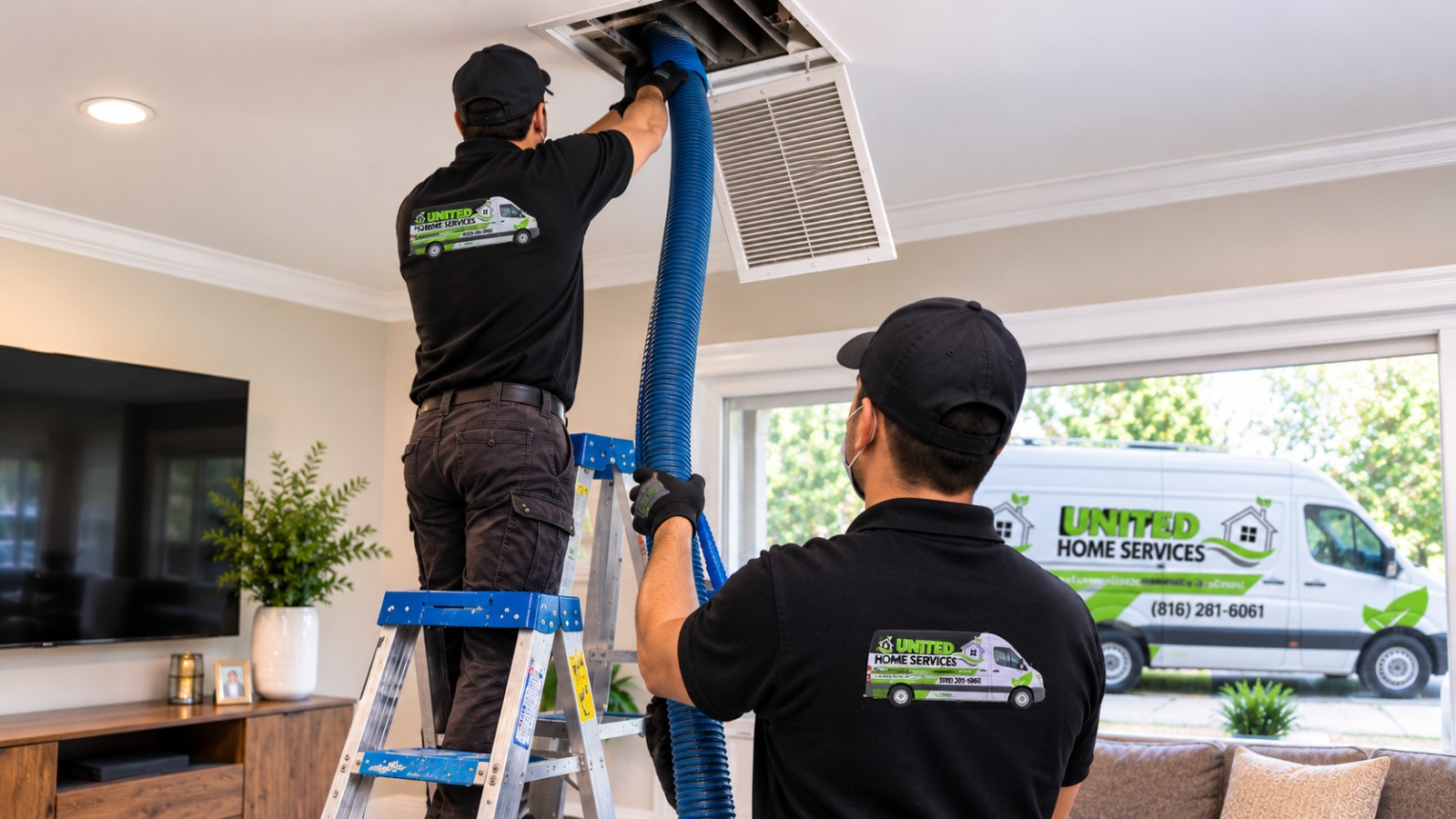
A proper service visit should cover the entire exhaust route, not just the opening behind the dryer.
At United Home Services, homeowners can discuss their vent condition, airflow concerns, and maintenance needs before choosing the right service.
A typical professional appointment follows these steps.
Step 1: Initial inspection
The technician checks the dryer connection, visible ductwork, and exterior vent opening. They look for lint deposits, crushed sections, loose joints, and signs of moisture.
They may ask how long your clothes take to dry and whether you have noticed unusual heat or smells.
Step 2: Disconnecting the dryer
The technician safely moves the appliance when access allows. They disconnect the exhaust duct and inspect the connection for lint and damage.
For gas dryers, the technician must take suitable precautions around the gas connection. Homeowners should not attempt gas disconnection without the required qualifications.
Step 3: Removing lint and debris
Specialist brushes and vacuum equipment help remove accumulated lint. The technician works through the accessible duct sections and clears debris towards a suitable collection point.
The cleaning method depends on the duct material, layout, and blockage level. Careful work helps prevent damage to duct joints and surrounding surfaces.
Step 4: Checking the exterior outlet
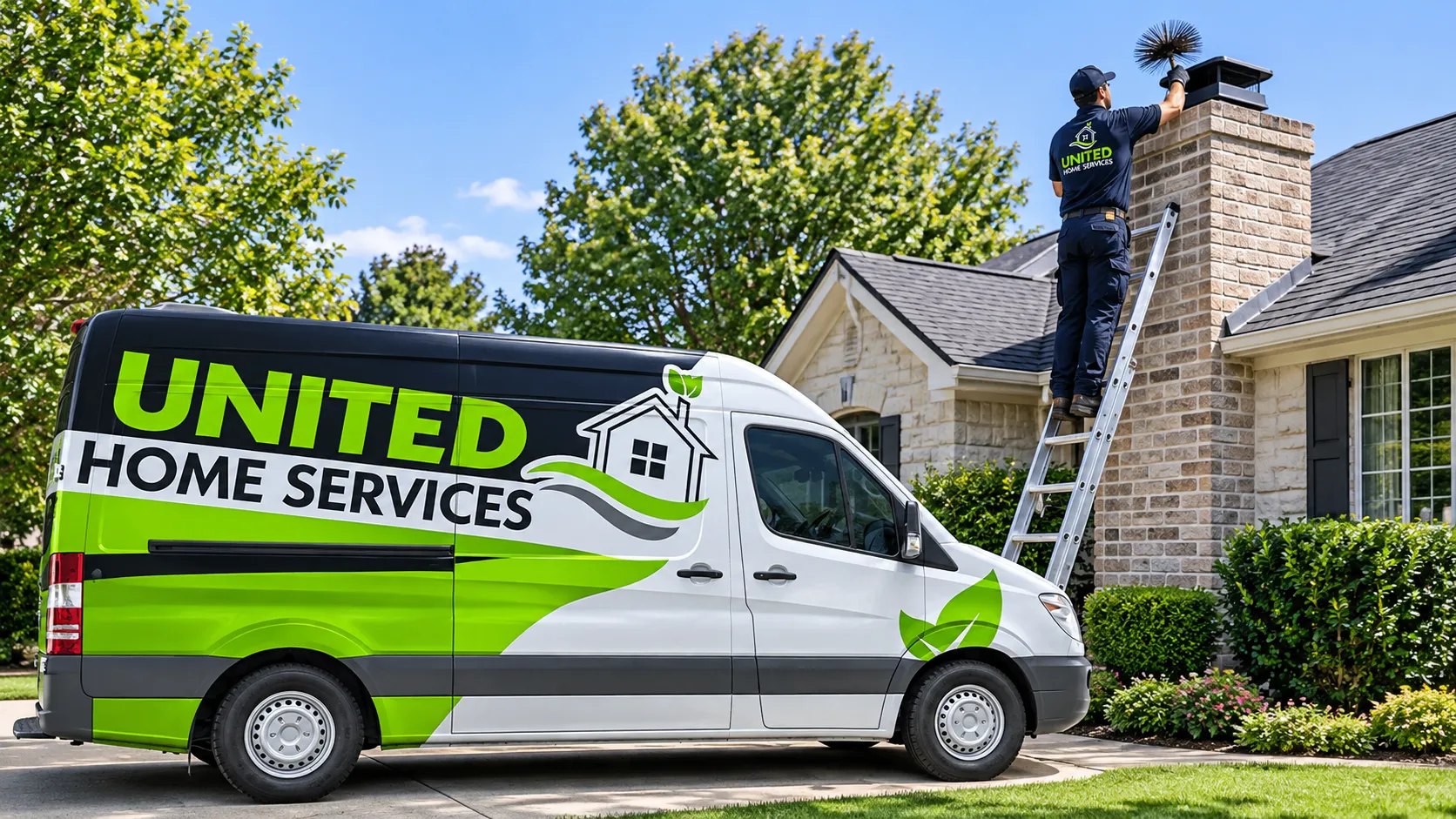
The outside termination needs a clear passage for exhaust air. The technician checks the vent flap, removes suitable debris, and looks for pest activity.
Screens should not be added without checking applicable code requirements. Some installations prohibit screens because lint can block them.
Step 5: Reconnecting and testing airflow
After cleaning, the technician reconnects the duct and checks the system. They confirm that the outside flap opens and that exhaust air moves freely.
The appliance should not run with a disconnected or damaged exhaust duct. A final inspection helps identify repairs that may be needed.
7. Dryer vent cleaning costs and factors that affect pricing
Home maintenance costs can vary by property and service requirements. A short ground-level duct is usually easier to clean than a long route that exits through a roof.
For US homeowners, recent pricing data places standard professional cleaning at roughly $100 to $200, with an average near $145. More complex jobs can cost considerably more.
| Service type | Indicative US cost |
| Standard dryer vent cleaning | 100–200 |
| Roof vent cleaning | 150–250 |
| Second-floor vent cleaning | 110–185 |
| Vent inspection | 30–60 |
| Minor duct repair | 80–250 |
| Duct replacement or rerouting | 200–500+ |
Estimated budgeting ranges in US dollars. Actual quotations depend on location, access, duct condition, and labour.
What changes the final price?
A few details can affect the amount you pay:
- Vent length: Longer ducts take more time and equipment to clean.
- Outlet location: Roof and second-floor outlets can require special access.
- Blockage severity: Packed lint and bird nests need extra work.
- Duct condition: Damaged or crushed sections may need replacement.
- Property access: Tight laundry spaces and difficult connections can increase labour time.
For example, a homeowner with a laundry room on the second floor may have a duct that runs through the ceiling before reaching the roof. That job can take longer than cleaning a short wall outlet.
Ask for a written estimate that separates cleaning, inspection, and repair charges. This helps you understand exactly what the contractor plans to do.
8. Fire prevention, building codes, and regular maintenance
Safety deserves attention whenever a home appliance produces heat. Lint buildup inside a dryer or exhaust duct can create conditions that lead to a fire.
US fire data recorded an estimated 13,820 home structure fires involving dryers each year between 2014 and 2018. Failure to clean accounted for 32% of these fires. This shows why routine maintenance should not be overlooked.
A separate national fire safety estimate found that failure to clean contributed to 31% of clothes dryer fire ignitions between 2018 and 2020.
What building requirements apply to dryer vents?
In the United States, the International Residential Code (IRC), Section M1502, covers clothes dryer exhaust systems. Requirements include duct materials, installation, length, and outdoor discharge.
The 2024 IRC specifies smooth metal exhaust ducting with a nominal four-inch diameter. It sets a standard maximum duct length of 35 feet, subject to reductions for bends and applicable manufacturer instructions.
Local authorities may adopt different code editions or amendments. Always check the rules that apply to your property before installing or changing ductwork.
The UK, Canada, Australia, New Zealand, Ireland, and South Africa have their own building and fire safety requirements. A local contractor should check the relevant rules before making changes.
Simple ways to prevent lint buildup
Daily habits can reduce the amount of lint entering your exhaust system. They cannot replace periodic duct cleaning, but they help maintain normal airflow.
- Clean the lint screen before or after every load.
- Check the outside vent flap during dryer operation.
- Keep the area behind the appliance free from lint and dust.
- Avoid overloading the dryer.
- Inspect the visible duct for crushing or loose connections.
- Arrange professional cleaning at suitable intervals.
Most homes benefit from an annual vent inspection or cleaning, depending on usage and the manufacturer’s guidance. Large households, pet owners, and homes with long ducts may need more frequent attention.
A licensed dryer vent contractor would normally recommend checking the full exhaust path rather than cleaning only the accessible connection. This helps identify problems that a household lint brush may miss.
9. How to choose a dryer vent cleaning contractor
Finding someone to clean the vent is easy. Choosing a contractor who checks the complete system requires a little more care.
Start by asking about their cleaning method and experience with your type of ductwork. A suitable provider should explain the work before starting.
Here are six useful questions:
- Do you clean the full duct from the dryer to the outside outlet?
- Do you inspect the duct for damage and poor connections?
- What equipment do you use to remove packed lint?
- Do you check airflow after cleaning?
- Are duct repairs included in the quotation?
- Do you have suitable insurance and trained technicians?
A specialist such as United Home Services can be considered when comparing providers for dryer vent maintenance. Check the actual service area, inspection process, equipment, and repair options before arranging an appointment.
A general cleaning company may focus on accessible household surfaces. A dryer vent specialist should understand exhaust duct layouts, lint removal, exterior outlets, and appliance ventilation requirements.
Pay attention to the final report. It should explain what the technician cleaned, whether any damage was found, and whether further work is needed.
Frequently asked questions
How often should you clean a dryer vent?
Most households should arrange professional vent cleaning once a year. Homes with frequent laundry loads, pets, or long exhaust ducts may need more frequent service. Clean the lint screen after every load and watch for longer drying times or weak airflow between appointments.
What are the signs of a clogged dryer vent?
Common signs include damp clothes after a full cycle, excessive heat, burning smells, weak airflow, and lint around the outside vent. Your laundry room may feel warmer than usual. Stop using the dryer if you notice overheating or a burning smell.
How much does professional dryer vent cleaning cost?
In the United States, standard professional cleaning often costs between $100 and $200. Roof outlets, long duct runs, and severe blockages can increase the price. Ask for a written quotation that explains cleaning, inspection, and any additional repair charges.
Can a clogged dryer vent cause a house fire?
Yes. Lint is highly flammable and can restrict airflow inside the exhaust system. Heat can build up when the dryer cannot release warm air properly. Regular cleaning, correct duct installation, and routine appliance maintenance help reduce this risk.
How long does dryer vent cleaning take?
A standard appointment often takes 30 to 90 minutes. Longer ducts, difficult roof access, pest nests, and heavy lint buildup can increase the time. Ask the technician to inspect the full exhaust route before estimating the job duration.
Does dryer vent cleaning improve energy efficiency?
It can help the appliance operate with better airflow. A blocked duct forces the dryer to work harder and may increase drying time. Removing lint can reduce unnecessary operating time and help prevent extra strain on the appliance.
How much does dryer vent cleaning cost in the USA?
Many standard residential appointments cost around $100 to $200. Roof access, long ducts, and additional repairs may raise the price. The final amount depends on your property layout and the amount of debris inside the system.
Do I need a permit for dryer vent installation or replacement?
Routine cleaning usually does not require a building permit. New duct installations, rerouting, and structural changes may require approval under local building rules. Check with your local building department before changing the exhaust route.
How often should homeowners in hot climates clean dryer vents?
Homes in hot regions should follow the manufacturer’s maintenance guidance and watch for lint buildup. High outdoor temperatures do not remove the need for cleaning. Frequent laundry use, long ducts, and restricted airflow may increase maintenance needs.
What is the best material for a dryer vent?
Smooth rigid metal ducting is generally preferred for permanent exhaust systems. It provides good airflow and has fewer internal ridges where lint can collect. Semi-rigid metal can suit certain short connections when permitted by the appliance instructions and local requirements.
Can I clean my dryer vent myself?
You can clean the lint screen and inspect accessible areas around the appliance. A suitable cleaning brush may help with a short, accessible duct. Long, concealed, or roof-level systems need proper equipment and professional attention to avoid damage.
Why does my dryer smell like something is burning?
A burning smell may indicate lint buildup, overheating, or an electrical or mechanical fault. Turn the dryer off and stop using it until the cause has been checked. Do not assume that cleaning the lint screen alone will solve the problem.
Keep your laundry area safe and your dryer working properly
A clean exhaust system helps your dryer release heat and moisture through the correct outlet. Check the lint screen regularly, watch for changes in drying time, and arrange professional maintenance when needed. If you have concerns about restricted airflow or accumulated lint, contact United Home Services to discuss your property’s requirements and request a service estimate. A simple inspection can help you understand the condition of your ductwork and plan suitable maintenance for your home.