


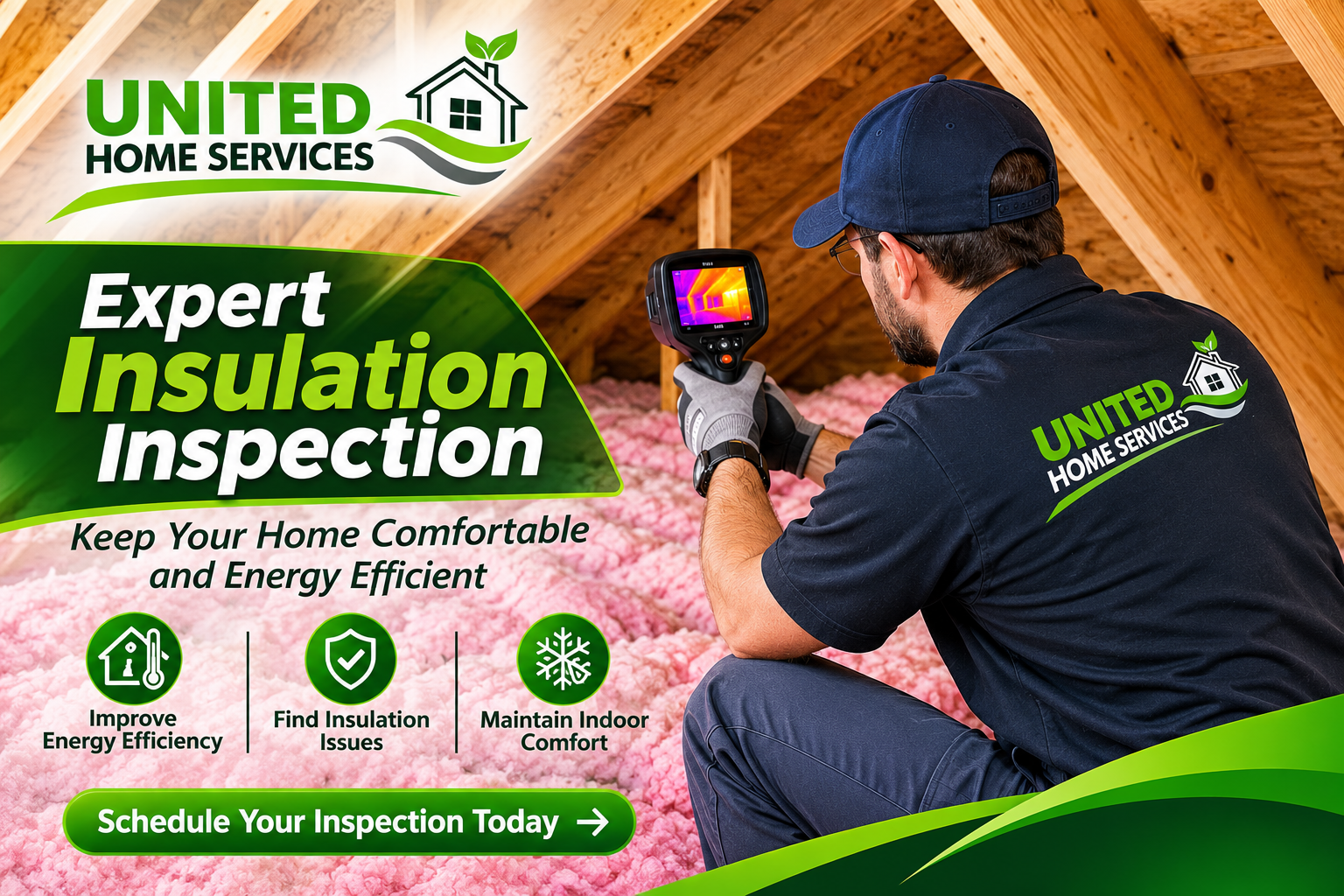

What an Insulation Inspection Checks in Your Home
Homeowners often notice insulation problems through changes in indoor temperature. Some rooms feel colder than others, and heating or cooling systems may run longer than expected.
An Expert Insulation Inspection helps identify these issues before they lead to larger energy expenses. A professional checks the building envelope, insulation depth, air leakage, ventilation, and signs of moisture damage.
Common signs of poor insulation
Look for these warning signs:
-
Cold floors and uncomfortable rooms during winter.
-
Excessive indoor heat during summer.
-
Higher heating and cooling bills.
-
Drafts around windows, doors, and ceiling openings.
-
Uneven temperatures between floors.
-
Condensation or damp patches near insulated areas.
These signs can point to insulation gaps, air leaks, or moisture problems. They do not always mean the insulation itself needs replacement.
Why attic inspection matters
Attics are common areas for heat loss and unwanted air movement. Insufficient insulation can make indoor temperatures harder to control.
ENERGY STAR explains that sealing air leaks and adding insulation can save homeowners up to 10% on annual energy bills. Actual savings depend on the property, existing insulation, climate, and energy use.
An inspector should check insulation depth, coverage, roof ventilation, electrical fixtures, and moisture conditions. Wet or damaged insulation needs attention before new material is installed.
Wall, floor, and crawl space inspection
Attic insulation is only one part of the building envelope. Exterior walls, floors, basements, and crawl spaces can contain gaps that affect indoor comfort.
A professional may use thermal imaging or other inspection methods to identify temperature differences. These results can help locate areas that need closer examination.
For example, a homeowner may notice that one bedroom stays colder than the rest of the house. An inspection could reveal missing insulation inside an exterior wall or air leakage around a window frame.
Types of Home Insulation and Their Performance
Different insulation materials suit different building areas. Their performance depends on thermal resistance, installation quality, moisture exposure, and local climate.
Fibreglass insulation
Fibreglass comes in batts, rolls, and loose-fill forms. It is commonly used in attics, walls, and floors.
It is relatively easy to install in open cavities and can suit many residential projects. Gaps, compression, or poor fitting can reduce its performance.
Cellulose insulation
Cellulose is commonly made from processed paper fibres. Contractors can install it as loose-fill material in attic spaces and enclosed wall cavities.
It can fill irregular spaces, but moisture exposure and settling need attention. Inspectors should check for dampness and uneven coverage.
Mineral wool insulation
Mineral wool is made from mineral fibres and comes in batts or boards. It provides thermal resistance and can have useful fire-resistant and sound-control properties.
It can suit walls, floors, and other building areas where the product specification matches the application.
Spray foam insulation
Spray foam expands after application and can seal gaps around building components. It comes in open-cell and closed-cell forms.
Its performance depends on the product, installation thickness, and application conditions. Poor installation can create problems, so trained professionals should handle this work.
Rigid foam board
Rigid foam boards can provide insulation for walls, roofs, foundations, and other suitable surfaces.
They offer a structured form of insulation and can help reduce thermal bridging when installed as part of a suitable building system.
Comparison of insulation materials
| Material | Common application | Main benefit | Main consideration |
|---|---|---|---|
| Fibreglass | Attics and walls | Flexible installation | Gaps reduce performance |
| Cellulose | Attics and wall cavities | Fills irregular spaces | Moisture and settling |
| Mineral wool | Walls and floors | Thermal and sound control | Correct fitting required |
| Spray foam | Gaps and enclosed areas | Air sealing capability | Professional installation |
| Rigid foam board | Walls and foundations | Consistent board structure | Joint sealing required |
The correct choice depends on the building design and local climate. An inspection helps identify which material suits the existing structure.
How Professional Insulation Inspection Works
A proper inspection follows a clear process. The inspector reviews the property’s condition, checks insulation performance, and prepares recommendations based on the findings.
Step 1: Initial property assessment
The inspection begins with a discussion about indoor comfort and energy use. The homeowner can explain which rooms feel uncomfortable and whether energy bills have increased.
The inspector may ask about previous insulation work, roof repairs, moisture problems, and the age of the property.
Step 2: Visual inspection of insulation
The inspector checks accessible attic spaces, wall openings, floors, and crawl spaces. They look for missing material, damaged sections, compressed insulation, and uneven coverage.
The inspector records the material type and approximate depth. These details help estimate the existing thermal resistance.
Step 3: Air leakage and thermal assessment
Air leakage can reduce insulation performance. An inspector may use a blower door test, infrared camera, or other suitable equipment.
A blower door test measures how much air enters or leaves a building under controlled pressure. Thermal imaging can help identify unusual temperature patterns that need further investigation.
Step 4: Moisture and ventilation checks
Moisture can damage insulation and affect indoor air quality. The inspector looks for roof leaks, damp surfaces, condensation, mould, and blocked ventilation paths.
Kitchen and bathroom exhaust systems should vent outdoors where required. Attic ventilation must work with the insulation design rather than being blocked by new material.
Step 5: Inspection report and recommendations
After completing the assessment, the inspector prepares a report showing the identified problems and recommended improvements.
The report may include insulation replacement, air sealing, ventilation corrections, or additional insulation. A clear report should explain the reason for each recommendation and identify any safety concerns.
Insulation Inspection Costs and Factors That Affect Pricing
Inspection prices vary by property size, location, inspection depth, and equipment requirements. A simple visual assessment may cost less than a complete home energy audit.
Since the target market includes several countries, one universal price range would be misleading. Homeowners should request local quotations based on the actual inspection scope.
Property size and layout
Larger properties usually require more inspection time. Multi-storey homes, complex roof structures, and difficult attic access can increase labour requirements.
Inspection equipment
A basic inspection may involve visual checks and insulation measurements. More detailed assessments may include thermal imaging, blower door testing, and moisture detection.
Each additional test can affect the final quotation.
Insulation condition
The inspector may find missing material, water damage, pest activity, or damaged ventilation components. These issues can require further testing or specialist assessment.
Location and labour rates
Labour costs vary between cities and countries. Travel distance, local contractor rates, and property access can affect the inspection price.
Repairs and additional work
Inspection charges and repair costs should appear separately in the quotation. Adding insulation, sealing gaps, replacing damaged sections, and correcting ventilation are separate services.
Before approving work, ask whether the quotation includes materials, labour, waste removal, and post-installation checks.
Choosing a Qualified Insulation Inspection Professional
The quality of an inspection depends on the inspector’s training, equipment, and understanding of building structures. A suitable professional should explain the findings in clear language.
Before hiring a company, check these points:
-
Relevant experience: Ask about previous residential insulation inspections.
-
Inspection methods: Confirm whether the service includes visual checks, thermal imaging, or air leakage testing.
-
Technical knowledge: Ask about insulation materials, moisture control, and ventilation requirements.
-
Written reports: Request photographs, measurements, and clear recommendations.
-
Insurance and qualifications: Check the required local credentials and business insurance.
-
Transparent pricing: Confirm inspection fees and any separate repair charges.
A specialist company such as United Home Services can be considered when comparing residential insulation inspection providers. A focused inspection service should explain the condition of existing insulation and separate necessary repairs from optional upgrades.
Building codes and insulation requirements
Insulation standards vary by country and climate zone. Homeowners should check the rules that apply to their property before planning major improvements.
In the United States, the International Energy Conservation Code provides climate-zone-based requirements for building insulation and energy performance.
In England, Approved Document L covers the conservation of fuel and power under the Building Regulations. The 2026 edition provides updated guidance for relevant building work.
In Pakistan, the Energy Conservation Building Code 2023 includes building insulation requirements and R-value guidance for different climate regions.
Local building authorities may require approvals for certain structural changes. A qualified professional can explain which requirements apply to the planned work.
Frequently Asked Questions
1. What is an Expert Insulation Inspection?
An Expert Insulation Inspection is a professional assessment of insulation materials, coverage, air leaks, and moisture conditions. It helps homeowners identify areas where heat escapes or unwanted outdoor air enters. The inspection can cover attics, walls, floors, basements, and crawl spaces, depending on the property’s design.
2. How often should home insulation be inspected?
There is no fixed inspection schedule for every property. Homeowners should consider an assessment after roof leaks, renovation work, pest problems, or noticeable changes in indoor comfort. Older properties may need more frequent checks because insulation can become damaged or lose coverage over time.
3. How much does a professional insulation inspection cost?
The price depends on property size, location, inspection methods, and equipment. Thermal imaging and blower door testing may increase the total cost. Ask local providers for a written quotation that separates the inspection fee from any repair or insulation installation expenses.
4. What are the signs that my home needs an insulation inspection?
Common signs include uneven room temperatures, cold floors, hot upper rooms, drafts, and rising energy bills. Damp insulation, condensation, and visible gaps can point to further problems. A professional assessment can help identify the source before you spend money on unnecessary upgrades.
5. Can insulation inspection help reduce energy bills?
Yes. An inspection can identify missing insulation and air leaks that increase heating and cooling demand. Correcting these problems may reduce energy consumption. ENERGY STAR reports potential annual energy bill savings of up to 10% through air sealing and insulation improvements.
6. Which insulation material works best for residential properties?
Fibreglass, cellulose, mineral wool, spray foam, and rigid foam boards each have different uses. The right material depends on the building structure, moisture exposure, climate, and required thermal resistance. A professional can compare suitable materials before recommending an upgrade.
7. Is thermal imaging necessary during an insulation inspection?
Thermal imaging can help identify temperature differences across walls, ceilings, and other building surfaces. It is useful for locating areas that need further checks. The camera does not directly measure insulation quality, so inspectors should interpret its results alongside physical measurements and other tests.
8. What should homeowners expect during an insulation inspection in the UK?
A UK inspection may include attic insulation depth, wall coverage, air leakage, moisture conditions, and ventilation. Homeowners planning improvement work should consider the applicable Building Regulations, including Part L. The inspection report should explain any recommended work and relevant building requirements.
9. Are insulation inspections necessary for older homes in the USA?
Older homes may have missing insulation, outdated materials, air leaks, or damaged building components. A professional assessment can identify these conditions and help homeowners plan suitable improvements. Inspectors should take care around older electrical systems and materials that may contain asbestos.
10. How long does a home insulation inspection take?
Inspection time depends on property size, access, and the number of tests required. A basic visual assessment may take less time than a complete energy audit with thermal imaging and blower door testing. Ask the provider for an estimated appointment duration before booking.
11. Can wet insulation be repaired or does it need replacement?
The correct approach depends on the material and the cause of moisture. Some materials may require replacement after water damage, mould growth, or contamination. The source of moisture should be corrected before installing new insulation to prevent the same problem from returning.
12. What should an insulation inspection report include?
A useful report should identify insulation types, approximate depth, damaged areas, air leakage points, and moisture concerns. It should include photographs where available and explain recommended repairs. Homeowners should receive a clear breakdown of necessary improvements and estimated project costs.
Final Thoughts
Good insulation supports comfortable indoor temperatures and helps manage household energy use. Regular assessments can identify damaged materials, air leaks, and ventilation problems before they affect other parts of the building. Start by checking your property’s condition and requesting a professional assessment. United Home Services can be considered when comparing inspection providers and discussing suitable improvements. Ask for a clear report, practical recommendations, and a written quotation so you can plan your next steps with confidence.